Solution
Acrylic resin production line
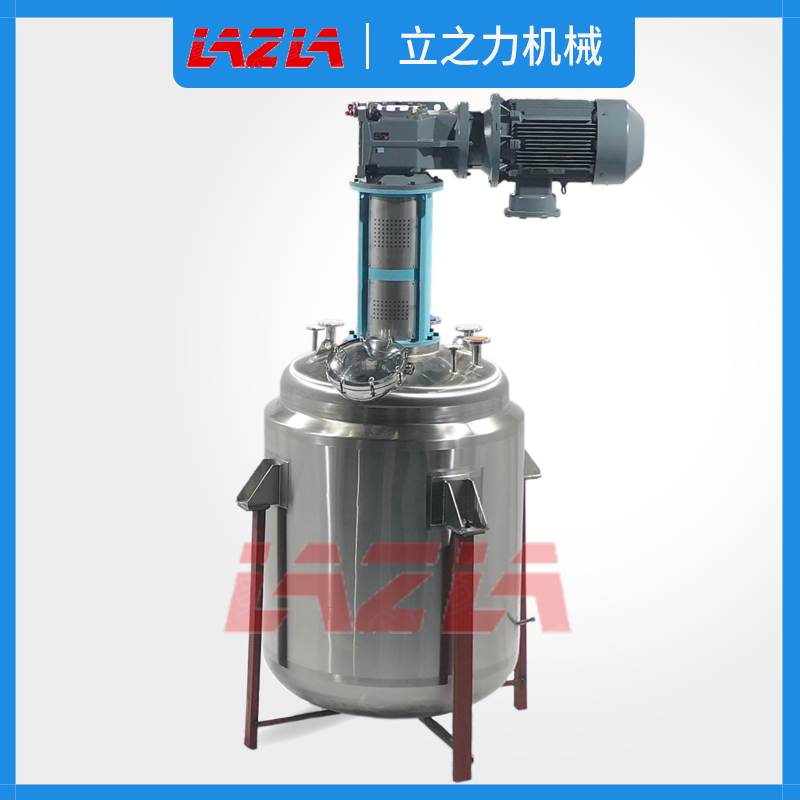
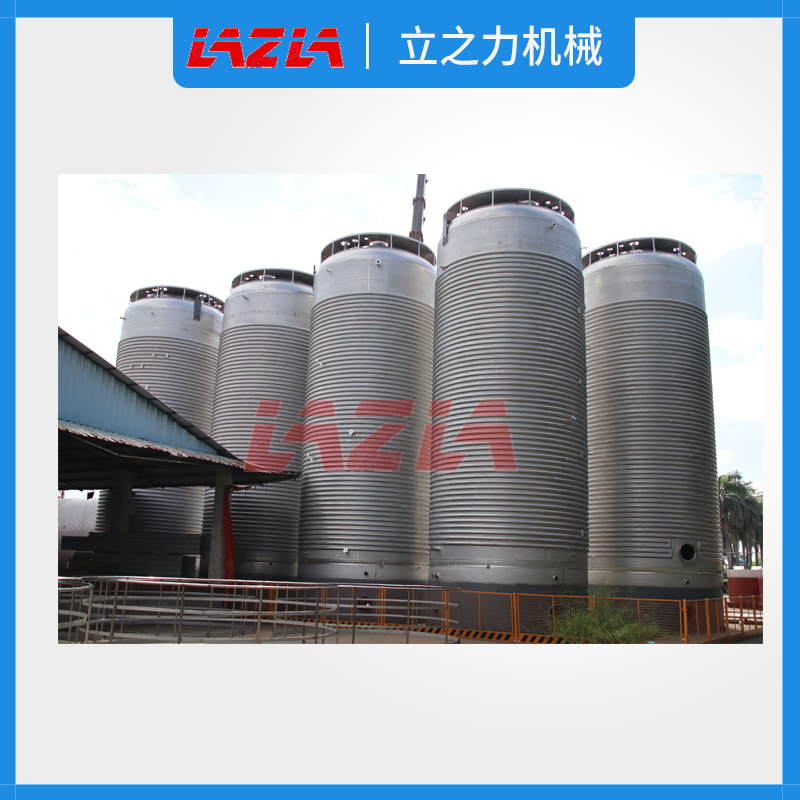
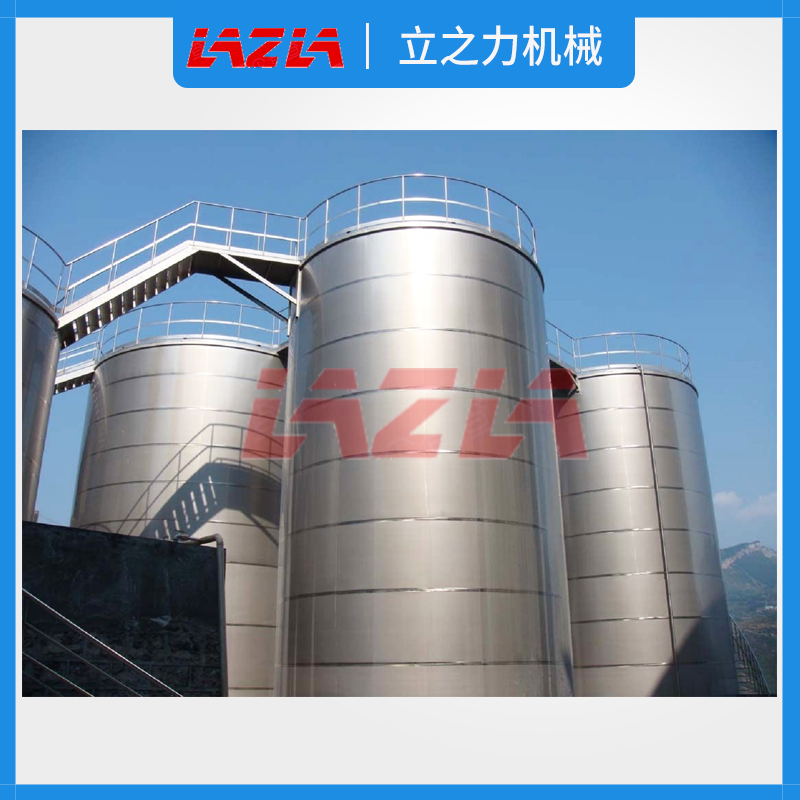
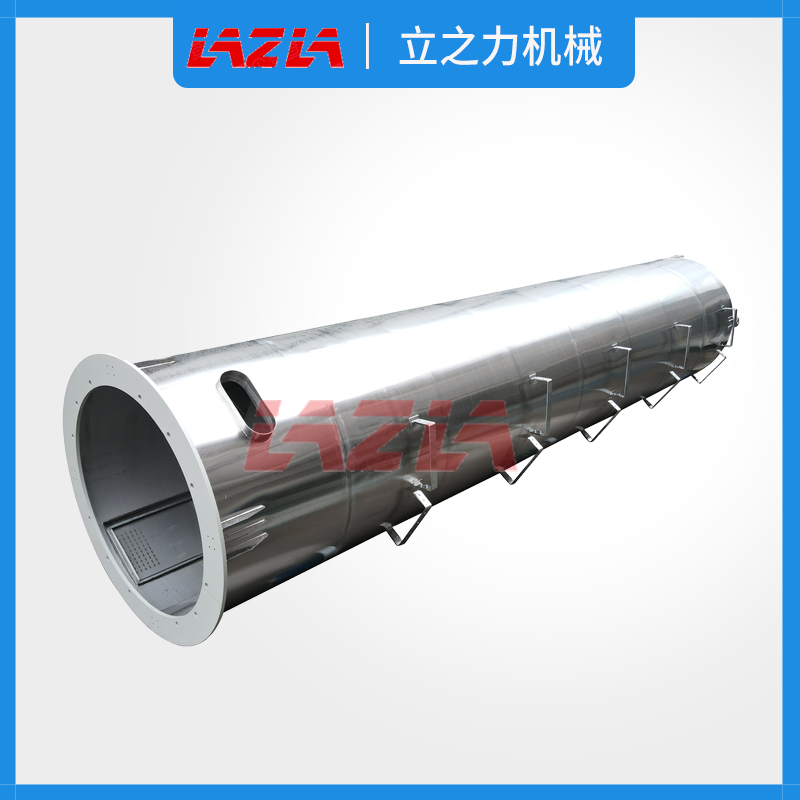
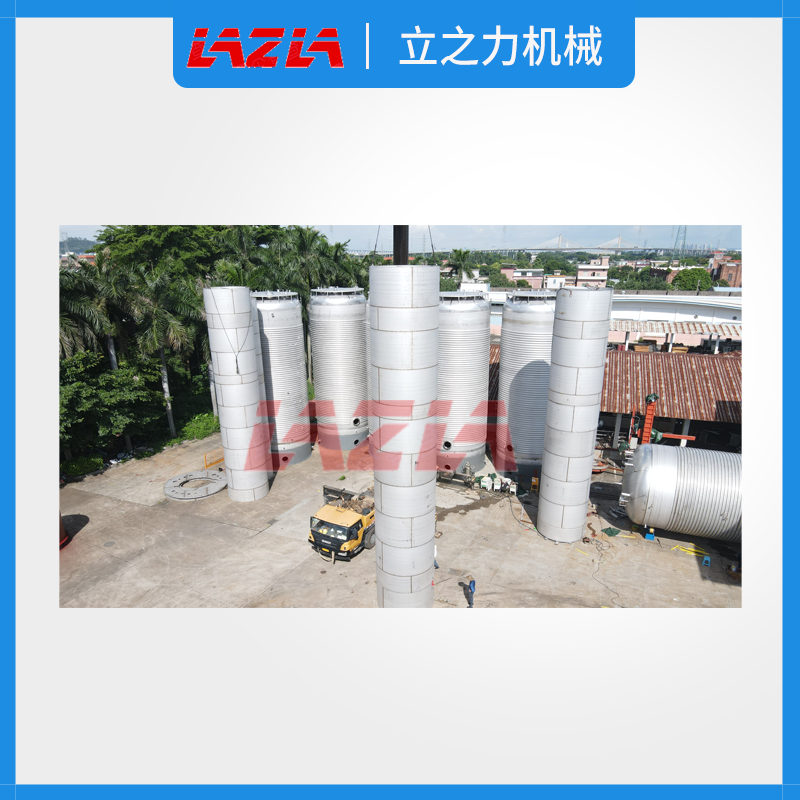
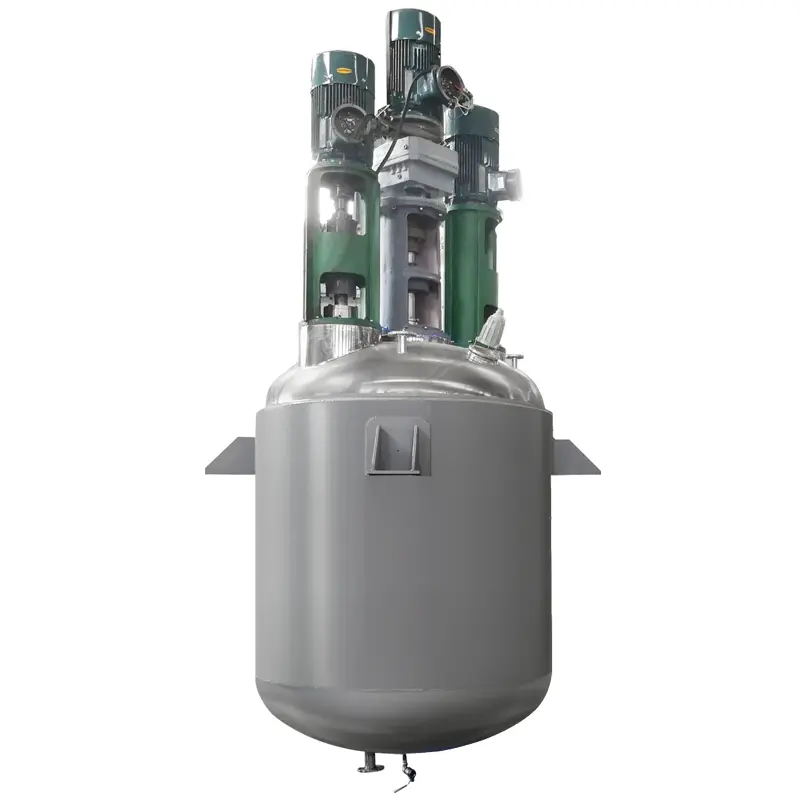
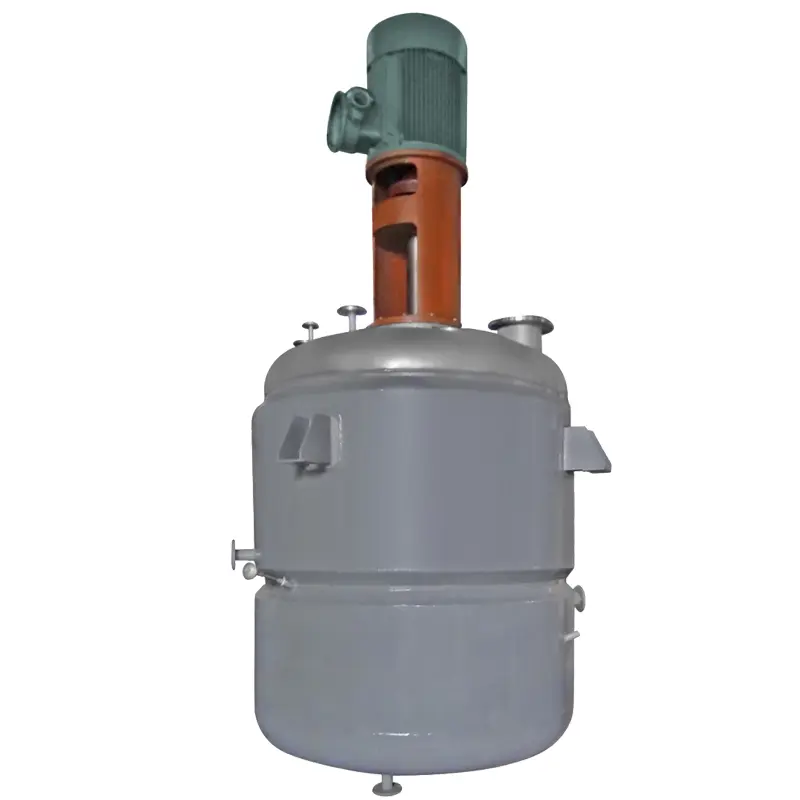
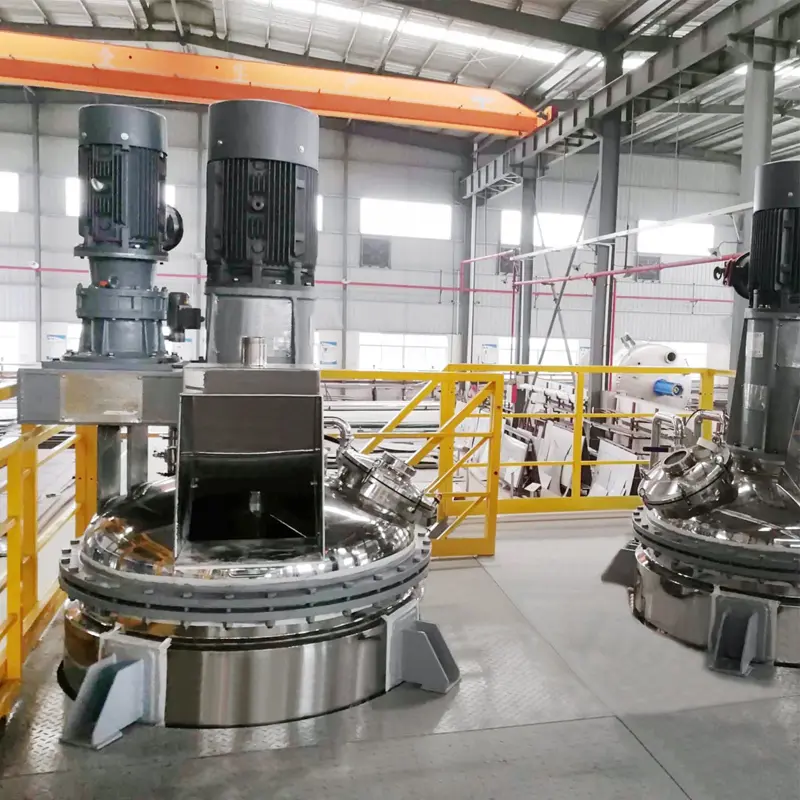
Resin production equipment consists of a reaction vessel and auxiliary equipment selected according to process requirements. We can provide turnkey projects for alkyd resins, polyester resins, unsaturated polyester resins, epoxy resins, acrylic resins, amino resins, curing agents, etc., including engineering equipment, equipment selection guidance, equipment processing, and equipment installation.
I. Introduction to Acrylic Resin:
Acrylic resin, also known as acrylate adhesive, is an adhesive using polyacrylate as a single component or main component. It comes in both thermoplastic and thermosetting types.
II. Production Process of Acrylic Resin Adhesive:
1) Add raw materials and emulsifier to an emulsification tank for emulsification to obtain raw material monomers.
2) Add the fully emulsified monomers and initiator to a jacketed reactor, stir, and heat in a water bath to ensure thorough mixing.
3) When the temperature reaches 80℃, add the initiator, while simultaneously adding acrylic acid and other mixtures dropwise through a dropping funnel, completing the addition within 2 hours.
4) Maintain the temperature at 85℃±2℃ and then keep it at that temperature.
5) Add additives and continue stirring at 75℃ for 1 hour.
6) Cool and discharge the material. A milky white viscous liquid is obtained.
(Add distilled water and emulsifier to a four-necked flask equipped with a stirrer, thermometer, reflux condenser, and feeding device. Stir and heat in a water bath. When the temperature reaches 80°C, add the initiator, and simultaneously add a mixture of acrylic acid, butyl acrylate, styrene, and vinyl acetate dropwise through a dropping funnel, completing the addition within 2 hours. Maintain the temperature at 85°C ± 2°C and keep it warm. After 1 hour, add the thickener and crosslinking agent, and continue stirring at 75°C for another hour, then cool and discharge. The product is a milky white viscous liquid.)
INQUIRY
To learn more about this product, you can submit your requirements here
RELATED PRODUCTS